What A Retaining Wall Is For, And When Your Property Needs One
A retaining wall solves a specific problem: soil that wants to move somewhere you do not want it to go.
September 23, 2026 · 3 min read
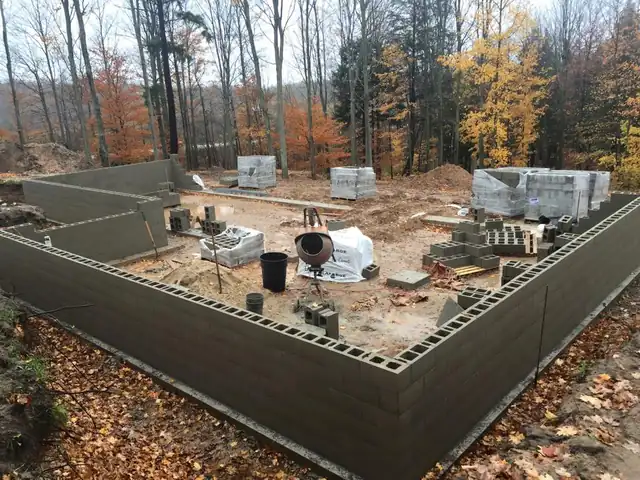
Not every sloped yard needs a retaining wall, but some do, and it is not always obvious which category your property falls into. A retaining wall's job is simple to describe even if the engineering behind it is not: it holds back soil that would otherwise shift, erode, or slide toward a driveway, a foundation, or a neighboring property.
Signs Your Property Might Need One
- A slope that loses visible soil or mulch every time it rains hard
- A driveway or walkway edge that is slowly crumbling or sinking
- Water pooling near your foundation because of grading on a slope above it
- A raised yard or garden area you want to level out for actual use
- A hillside close enough to a building that erosion is a long-term concern
What A Retaining Wall Actually Does
At its core, a retaining wall resists the lateral pressure of soil and water behind it, keeping that material from sliding, slumping, or eroding downhill. Taller walls carry more pressure than short ones, and the soil type on your property, sandy versus clay-heavy, changes how that pressure behaves. This is exactly why retaining wall design is not a one-size-fits-all answer, and why it is worth having a contractor actually walk your property rather than quoting off a description alone.
Retaining Walls Near A Driveway Or Foundation
A retaining wall near a driveway carries different demands than one tucked into a garden bed. Vehicle weight, plowing, and repeated freeze and thaw cycles all add stress that a decorative garden wall never sees. If your retaining wall is meant to hold back soil next to a driveway, a parking area, or close to your home's foundation, it is worth treating that as a more serious structural project and having a contractor evaluate it in person rather than estimating it from a description over the phone.
There is no single height where a wall suddenly needs special attention, since soil type, slope, and what sits above or below the wall all factor in. As a general rule, the taller the wall and the more weight or traffic near it, the more it makes sense to involve a professional early rather than build first and adjust later.
Retaining wall work, like most concrete and foundation work in Northern Michigan, tends to go more smoothly outside of the deep freeze months, since frozen ground changes how excavation and footings behave. If you are noticing erosion or a sinking edge now, it is still worth getting an estimate scheduled even if the actual work has to wait for better ground conditions, so you are not starting from scratch once the season turns.
Materials And Look Are A Separate Question From Function
Retaining walls can be built from poured concrete, concrete block, or other materials, and the choice often comes down to budget, how tall the wall needs to be, and how it should look next to your house or landscaping. A shorter garden wall has different requirements than a taller wall holding back a driveway cut into a hillside, so it is worth discussing both the function and the appearance you want before settling on a material.
Drainage Is Half The Job
A retaining wall that is not thought through for drainage is working against itself. Water that builds up behind a wall adds pressure the wall was not designed for, which is why proper drainage behind and beneath a retaining wall matters as much as the wall itself. Ask any contractor you talk to how they plan to handle drainage on your specific site, since it is one of the more common things that gets overlooked on smaller projects.
When To Just Ask A Professional
If you are staring at a slope in your yard and genuinely unsure whether it needs a retaining wall or just better landscaping, that is a reasonable question to bring to a contractor rather than guess at yourself. It is also worth checking with your township or county on any requirements that might apply to your specific project before construction begins.
JDC Construction builds retaining walls alongside foundations, garages, and other new construction work, and has been serving Leroy, Manton, Cadillac, Tustin, Reed City, and Big Rapids since 2003 with over 20 years of experience.
If you have a slope, a sinking driveway edge, or a yard that needs to be leveled out, call JDC Construction at (231) 846-1442 or request a call back, and a representative will follow up the next business day to talk it through.
J D C Construction, (231) 846-1442
Call (231) 846-1442More articles
Planning A New Driveway Or Garage Apron In The Leroy Area
A little planning before the first call can save time once the crew and the concrete truck show up.
Stamped Concrete Or A Plain Broom Finish: Choosing A Patio
Both are solid choices. The right one depends on your budget, your house, and how you plan to use the space.